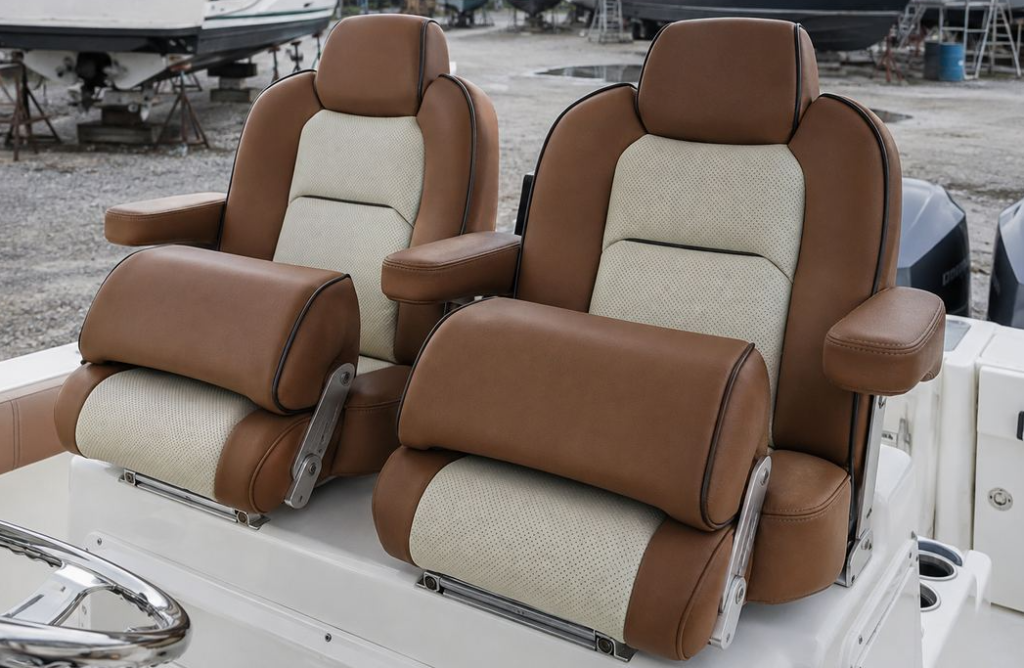
A boat interior should reflect both the owner’s personal style and the way the vessel is used. However, faded cushions, worn seating, and outdated upholstery can make even a well-maintained boat feel older than it really is. A carefully planned boat upholstery repair project offers an opportunity to improve the appearance of the interior while addressing practical problems. With help from specialists such as Boat Upholstery Broward, owners can explore custom solutions that bring new life to their marine seating.
Start With a Clear Vision for Your Boat Interior
Before selecting fabrics or discussing replacement cushions, it helps to consider how the boat should look and function after the renovation. Some owners prefer a classic marine appearance with neutral colors and subtle decorative details. Others want a more contemporary interior with contrasting panels, distinctive stitching, and modern textures.
The vessel’s design provides a useful starting point. Upholstery should complement the hull colors, flooring, dashboard, and existing interior finishes. A consistent color palette can make separate seating areas feel connected, even when they serve different purposes.
A successful boat upholstery repair project should also account for practical requirements. Fishing boats, family cruisers, and luxury vessels have different seating needs. Choosing a design that matches the boat’s everyday use helps prevent attractive but inconvenient results.
Custom Seating Creates a More Personal Look
Standard replacement cushions do not always fit the dimensions or design of an existing boat interior. Custom upholstery allows owners to work with unusual seat shapes, curved backrests, built-in benches, and other distinctive features.
This flexibility is particularly useful when a vessel has an older interior or a seating arrangement that is no longer comfortable. New cushion profiles, updated backrests, and carefully positioned seams can change the overall appearance without requiring a complete redesign of the boat.
During boat upholstery repair, owners can also consider decorative options such as contrast piping, diamond stitching, embroidered details, and two-tone vinyl. These features should support the overall design rather than compete with it.
Select Materials That Match Marine Conditions
Appearance is important, but marine upholstery must also withstand demanding conditions. Direct sunlight, humidity, saltwater, and repeated contact can affect materials that were never designed for outdoor use.
Marine-grade vinyl remains a common option for exterior boat seating because suitable products offer resistance to UV exposure and moisture. Specialized marine fabrics can provide additional texture and design possibilities in selected applications.
When comparing materials, consider:
- UV resistance and long-term color stability.
- Flexibility after repeated exposure to sunlight.
- Resistance to moisture and regular cleaning.
- Surface texture and passenger comfort.
- Manufacturer recommendations for maintenance.
Material selection should also consider where each cushion will be installed. Exposed cockpit seating may require different properties from protected cabin upholstery.
A professional boat upholstery repair project should evaluate the covering, thread, backing, and foam as parts of one complete seating system.
Foam Quality Changes the Seating Experience
New upholstery can improve the appearance of old seats, but the condition of the foam underneath is equally important. Cushions that have become compressed or uneven may continue to feel uncomfortable even after receiving new covers.
During renovation, technicians can inspect the existing foam and determine whether it remains suitable for reuse. Some cushions may only need minor adjustments, while others require new padding to restore their original shape and support.
Foam density, thickness, and construction influence how a seat feels. Firmer support may work well for certain helm seats, while lounge cushions often require a different balance of softness and structure.
This is why boat upholstery repair should not focus exclusively on visible surfaces. Addressing the underlying cushion structure helps create a more complete result.
Accurate Measurements Make Custom Work Successful
Marine seating often includes complex shapes and limited installation space. Even small measurement errors can cause wrinkles, uneven edges, or covers that do not fit correctly.
Before manufacturing replacement upholstery, each seating section should be measured carefully. Existing covers can sometimes provide useful patterns, but damaged or stretched material may no longer represent the original dimensions accurately.
Technicians also need to consider how cushions attach to the boat, where seams should be positioned, and whether removable sections must remain accessible. These details influence both appearance and convenience.
Professional boat upholstery repair combines accurate measurements with careful pattern preparation and installation. This attention to detail helps maintain the intended shape of the seating and creates cleaner transitions between individual panels.
Plan the Project Around Your Budget and Priorities
Not every boat interior needs a complete renovation at once. Some owners may want to update the most visible seating first, while others prefer to address damaged cushions and worn surfaces throughout the vessel.
Prioritizing the project makes it easier to allocate the budget. Helm seats, cockpit benches, and frequently used cushions may deserve attention before decorative panels or less frequently used areas.
It is also worth comparing the condition of existing materials with the cost of replacement. If the foam and supporting structure remain sound, preserving suitable components may reduce unnecessary work. However, severely deteriorated upholstery may require more extensive restoration.
A detailed assessment before starting boat upholstery repair helps establish realistic expectations and reduces the likelihood of unexpected changes during installation.
Give Your Marine Interior a Fresh Identity
An upholstery renovation can do much more than replace worn coverings. It can improve seating comfort, introduce a coordinated color scheme, and make the entire vessel feel more inviting.
The strongest results come from combining thoughtful design with materials suited to marine conditions and careful workmanship. By planning the project around the boat’s layout, intended use, and existing structure, owners can create an interior that looks distinctive and remains practical for everyday boating.